Can Stem Cell Therapy Help Sports Injuries Recover Faster?
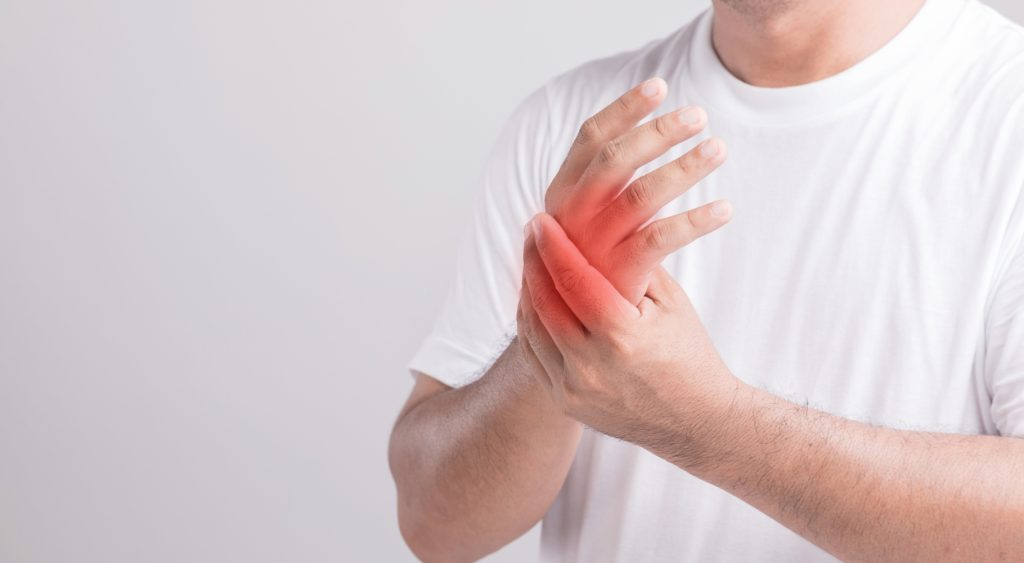
A sprinter with a stubborn hamstring tear, a recreational tennis player with chronic elbow pain, a midfielder trying to avoid surgery after a cartilage injury, these are the kinds of cases that often bring stem cell therapy into the conversation. The appeal is obvious. Sports injuries are disruptive, expensive, and emotionally draining. For professionals, every week lost can affect contracts, roster decisions, and careers. For everyone else, the stakes are different but still personal. People want to return to training, work, and a body that feels reliable again.
The hard part is separating promise from proof. Stem Cell Therapy has become one of the most talked-about regenerative treatments in sports medicine, but it does not mean the same thing in every clinic, for every injury, or for every patient. The label can cover a wide range of procedures, cells, processing methods, and claims. Some are grounded in careful clinical reasoning. Others are dressed up marketing.
The short answer is that stem cell therapy may help some sports injuries recover better, and in certain cases possibly faster, but it is not a universal shortcut. The effect depends heavily on the type of injury, the tissue involved, the timing of treatment, the rehab plan, and the quality of the procedure itself. There are situations where it is a reasonable option. There are also many cases where proven rehabilitation, time, and load management remain the smarter first move.
Why athletes look beyond standard treatment
Traditional sports medicine works well for a large share of injuries. Restoring motion, reducing swelling, rebuilding strength, and progressively loading tissue can solve more problems than many people realize. Acute muscle strains, ligament sprains, tendinopathy, and many overuse injuries improve with disciplined rehab. Surgery also has a clear role when structures are torn or unstable in ways the body is unlikely to handle on its own.
Still, there is a gray zone that frustrates both clinicians and patients. Some injuries heal, but not to the level needed for high performance. Some improve, plateau, and then flare up when training intensity rises. Cartilage has limited self-repair capacity. Tendons can become degenerative rather than simply inflamed. Partial tears may be painful for months despite solid therapy. This is where regenerative approaches entered the sports medicine landscape.
The concept is straightforward. If a damaged tissue is struggling to repair itself, perhaps the local environment can be improved by introducing cells or biologic signals that support healing. That idea is scientifically plausible. The challenge is that plausible and proven are not the same thing.
What stem cell therapy usually means in sports medicine
When people hear “stem cells,” they often imagine highly adaptable cells that can turn into any tissue. In practice, sports medicine usually deals with adult mesenchymal stromal cells, often called mesenchymal stem cells in everyday discussion. These are commonly obtained from bone marrow or adipose tissue. Their main value may not be that they directly become tendon, cartilage, or muscle in large numbers. More often, researchers believe they influence healing through signaling, immune modulation, and support of the repair environment.
That distinction matters. Many patients assume stem cells are building a brand-new meniscus or replacing worn cartilage cell by cell. Reality is less dramatic and more nuanced. The treatment may help calm harmful inflammation, recruit local repair processes, or improve tissue quality over time. It is a biologic nudge, not a magic reconstruction kit.
Bone marrow aspirate concentrate, often abbreviated BMAC, is one of the more common procedures in orthopedic and sports settings. A clinician typically draws marrow from the pelvis, processes it, and injects the concentrate into the target area. Adipose-derived cell preparations are also used in some centers, though methods vary widely. Some clinics combine cell-based treatments with platelet-rich plasma, ultrasound guidance, bracing, or a structured rehabilitation protocol.
The problem for patients trying to compare options is that two clinics may use the same phrase, stem cell therapy, while offering very different treatments. Cell counts, processing standards, imaging guidance, sterility protocols, and aftercare can differ considerably. So can the honesty of the claims.
Which sports injuries may benefit most
Not all tissues respond the same way. If you look across the sports medicine literature and clinical experience, the most plausible areas for benefit tend to be chronic tendon problems, certain partial ligament injuries, and selected cartilage or joint issues. Results are less convincing for some acute injuries where the body already has a strong natural healing response.
Tendons are a good example of the complexity. Chronic patellar tendinopathy, Achilles tendinopathy, and tennis elbow often involve degenerative change rather than classic inflammation. Athletes can rest for a few weeks, feel somewhat better, resume loading, and then the pain returns because the underlying tissue has not regained enough resilience. In these cases, biologic treatments may have a role, especially after a well-run exercise program has failed. But even when the injection helps, the real recovery still depends on tendon loading progressions, calf or quad strength, and careful return-to-sport planning.
Cartilage injuries create a different challenge. Articular cartilage does not heal easily, particularly in adults. Small focal defects in younger athletes are not the same as widespread osteoarthritis in an older knee. Some clinicians use biologic injections as part of a broader strategy for symptom relief and functional improvement, especially when surgery is not yet indicated or when someone is trying to delay it. Faster recovery is not always the right expectation here. Better pain control and improved function are often more realistic goals.
Ligament injuries sit somewhere in the middle. A mild to moderate sprain with good stability may recover well with rehab alone. A complete rupture of a major ligament, depending on the sport and demands, may still require surgical reconstruction. The interesting zone is the partial tear or poor-healing sprain, where there may be enough native tissue to support repair if the biologic environment improves.
Muscle injuries attract attention because they are common and costly in sport. Hamstring strains, calf tears, and quadriceps injuries can sideline athletes at exactly the wrong moment. Yet the evidence that stem cell-based treatment consistently shortens return-to-play time for muscle injury is not strong enough to make it standard care. There is ongoing research, but at this point, careful grading of the tear, progressive loading, sprint mechanics, and re-injury prevention are still the bedrock.
Faster recovery is the wrong question for some injuries
Patients understandably ask, “Will this get me back sooner?” Sometimes that is the right question. Often it is incomplete.
For many sports injuries, especially chronic ones, the better questions are whether the tissue heals more reliably, whether symptoms stay away under load, and whether the athlete returns with lower re-injury risk. A treatment that shaves off one or two weeks but leads to an unstable or incomplete recovery is not a win. Sports medicine is full of false economies, and rushing tissue healing is one of them.
This is where expectations need to be calibrated. An athlete with a six-month history of patellar tendinopathy may feel some relief after a regenerative procedure, but if they expect to jump back into full-volume training in ten days, they are setting themselves up for failure. The biologic intervention, if it works, is part of a larger sequence. Tissue needs time to respond. The rehab plan needs to respect that biology.
In high-performance settings, the most experienced teams are often the most restrained. They may use advanced treatments, but they rarely pretend those treatments eliminate the need for load management, sleep, nutrition, biomechanics, or progressive conditioning.
What the evidence actually supports
The evidence for Stem Cell Therapy in sports injuries is promising in selected areas, but it remains uneven. That is the most defensible summary.
Some small trials and case series suggest benefit for knee cartilage lesions, mild to moderate osteoarthritis symptoms, and certain tendon or ligament conditions. Patients may report less pain and better function, and imaging sometimes shows tissue changes that look encouraging. But many studies are limited https://archerjjnw798.quillnesty.com/posts/the-science-behind-stem-cell-therapy-explained by small sample sizes, short follow-up, lack of proper controls, or inconsistent treatment methods. Even when results look good, it can be hard to know whether the benefit came from the cells themselves, the needling response, the rehabilitation program, the placebo effect, or a combination of all four.
This variability matters. In medicine, a treatment should not be judged only by its best case reports. It should also be judged by how reproducibly it works across different settings. That is where the field still needs more high-quality data.
The strongest clinicians in this space are usually careful with their wording. They do not promise regeneration when they mean symptom improvement. They do not guarantee faster return to play. They explain where the evidence is encouraging, where it is mixed, and where it is simply too thin to justify bold claims.
Where the hype gets ahead of the science
There is a familiar pattern in sports injury care. A famous athlete gets an innovative treatment, returns to competition, and the treatment gains a near-mythic reputation. What the public rarely sees is everything wrapped around that decision: daily rehab, world-class imaging, nutrition, sleep support, force plate monitoring, training modifications, and the athlete’s extraordinary baseline health.
That can create a distorted picture. A professional player may receive stem cell therapy and recover well, but that does not prove the injection caused the recovery, nor that the same result will happen for a 42-year-old weekend basketball player with a desk job, poor sleep, excess body weight, and inconsistent rehab attendance.
Another source of confusion is the broad use of the word “stem cell” itself. Some products marketed this way contain very low numbers of actual stem-like cells, or cells whose viability and behavior are not well characterized by the time they are injected. Some clinics lean heavily on testimonials while offering little detail about protocols or outcomes. That is not how thoughtful sports medicine should work.
If a clinic presents stem cell therapy as a cure for nearly every orthopedic problem, that is usually a sign to slow down.
Who may be a reasonable candidate
The best candidates are often those in the middle ground, not the obvious cases. They are not patients who clearly need urgent surgery, and they are not patients who have not yet tried competent conservative care. They tend to be people with a specific, well-defined injury, persistent symptoms, good general health, and a willingness to follow a serious rehab plan afterward.
A practical screening framework often includes these points:
- The diagnosis is clear and confirmed with a proper exam, and when needed, imaging.
- Standard treatment has been tried long enough and done well enough to be judged a genuine failure.
- The injury is one that has at least a biologically plausible rationale and some clinical support for a regenerative approach.
- The patient understands that improvement may be gradual, incomplete, or absent.
- The treating team can offer structured follow-up and rehabilitation, not just the injection itself.
That final point gets overlooked. Procedures are easy to sell. Good follow-up is harder to deliver. Yet with biologic treatments, aftercare often determines whether any potential benefit translates into real function.
Who should be cautious
There are also patients who should be skeptical or avoid the treatment altogether. Someone with a complete structural injury that clearly requires surgical repair is unlikely to benefit from wishful thinking wrapped in regenerative language. So is the patient who wants a quick fix but is not prepared to change training load, improve mechanics, or complete rehab.
People with diffuse joint degeneration, severe malalignment, advanced arthritis, or untreated instability may hear hopeful messages about regeneration, but the mechanics of the joint may overwhelm any biologic benefit. In a knee that is significantly off-axis or unstable, biology and biomechanics are in constant negotiation. Biology rarely wins on its own.
Systemic factors matter too. Smoking, poorly controlled diabetes, chronic steroid use, and some inflammatory conditions can all affect healing. Even relative energy deficiency in sport can impair tissue recovery. When those issues are present, addressing them may do as much for healing as any injection.
The procedure is only one part of the treatment
A common mistake is to think of stem cell therapy as the treatment, full stop. In reality, it is often a treatment phase inside a broader management plan.
A typical pathway starts with a diagnosis refined by physical examination and imaging, often ultrasound or MRI depending on the tissue involved. The clinician decides whether the problem is structural, degenerative, inflammatory, or mixed. If a regenerative procedure is chosen, the next question is what should happen before and after it. Anti-inflammatory medications may be limited around the time of the procedure in some protocols because they could interfere with aspects of the healing response. Activity is usually modified for a period. Then comes a staged return to movement, strength work, and sport-specific loading.
That progression should be tailored to the tissue. A tendon is not managed like cartilage. A ligament is not loaded like a muscle tear. If the post-procedure plan sounds generic, that is a warning sign.
One of the more telling details in clinic is how a patient describes what they were told. If they say, “I got the shot and was told to rest a bit and see what happens,” outcomes are often less impressive than in patients who can explain the rehab timeline clearly, including when strength work resumes, how pain will be monitored, and what milestones matter.
Risks, costs, and practical downsides
Stem cell therapy is often discussed as if the only question is whether it works. Cost and risk deserve equal attention.
Most procedures are not inexpensive. Depending on the region, clinic, and technique, costs can run from several thousand dollars to substantially more. Insurance coverage is often limited or absent because many uses are still considered investigational. For an elite athlete, that may be a justifiable expense. For everyone else, it has to be weighed against other options that may offer more established value.
The medical risks are usually low when the procedure is done properly, especially with autologous cells taken from the patient’s own body, but “low risk” does not mean “no risk.” There can be pain at the harvest or injection site, bleeding, infection, post-procedure inflammation, or failure to improve. There is also the softer but very real risk of delaying a more appropriate treatment while waiting for a biologic intervention to work.
The most underappreciated downside is opportunity cost. Every month spent chasing poorly indicated treatment is a month not spent on the right rehab, surgical decision-making, or underlying training changes.
A realistic example from sports medicine practice
Consider a runner with chronic proximal hamstring tendinopathy. Six months of symptoms, pain with hill work and speed sessions, trouble sitting after long drives, MRI showing tendon degeneration but no major retracted tear. This person has already done some physical therapy, but on closer inspection the program was mostly stretching, soft tissue work, and general exercises with no real heavy loading progression.
This is not the moment to jump straight to Stem Cell Therapy. The first step is usually to fix the basics. A proper plan would include progressive hamstring strengthening in lengthened positions, hip extension work, running load adjustment, and clear criteria for advancing speed. Many athletes improve substantially once the rehab becomes specific enough.
Now change the case slightly. The same runner has done a well-structured loading program for four months with a skilled therapist, has only partial improvement, cannot tolerate race-specific sessions, and remains limited despite good adherence. That is a more reasonable setting to discuss biologic options. Even then, the conversation should be careful. The goal may be symptom reduction and better tolerance for progressive loading, not an instant reset.
That kind of distinction is where good judgment lives.
How to evaluate a clinic offering stem cell therapy
Patients often ask the same practical question: how do I know whether a clinic is credible? The easiest answer is to listen for nuance. Real expertise rarely sounds like certainty.
A worthwhile consultation usually includes discussion of diagnosis, alternatives, expected time course, rehabilitation, and the limits of the evidence. The clinician should explain what material is being used, how it is obtained, why it fits your injury, and how outcomes are measured. Imaging guidance should be part of the conversation for many tendon, ligament, and joint injections because precision matters.
Here are a few questions worth asking in the visit:
- What exact injury are you treating, and why is this approach appropriate for it?
- What type of cell-based procedure are you recommending, and how is it prepared?
- What results do you typically see for cases like mine, and over what time frame?
- What are the alternatives, including continued rehab or surgery?
- What does the rehabilitation plan look like after the procedure?
A strong clinician will answer directly and without inflated language. If the answers drift toward vague claims about universal healing or “turning back the clock,” caution is warranted.
The future is probably combination care, not miracle care
The most likely path forward for regenerative sports medicine is not a single dramatic therapy that replaces existing treatment. It is smarter selection of patients, better understanding of which biologic products help which tissues, and integration with excellent rehabilitation.
That future may include combination strategies where cell-based procedures, when indicated, are timed alongside mechanical loading, imaging follow-up, nutrition, and perhaps other biologics. It may also involve more precise use of regenerative medicine for early cartilage defects, persistent tendinopathy, or ligament healing support in selected cases. But progress will depend on tighter research, clearer standards, and less marketing noise.
Sports medicine has a long history of treatments that looked revolutionary until better studies arrived. It also has a history of ideas that began with modest evidence and became genuinely useful once techniques improved and indications narrowed. Stem Cell Therapy may end up being one of the latter, but only if the field stays disciplined.
So, can it help injuries recover faster?
Sometimes, yes. Often, maybe. Always, it depends.
For the right athlete with the right injury, treated by the right team, stem cell therapy may improve pain, support tissue healing, and in some cases help create a smoother path back to sport. But the phrase “recover faster” can be misleading. In many real cases, the more important benefits are stronger healing quality, fewer symptoms under load, and a better chance of durable return rather than a shorter calendar timeline.
The safest way to think about stem cell therapy is as a selective tool, not a shortcut. It belongs in a serious medical conversation, not a sales pitch. When used thoughtfully, it may offer meaningful value for certain sports injuries. When oversold, it becomes just another expensive detour in a field where patients are already vulnerable to hope.
If you are considering it, the wisest next step is not to ask whether stem cells are good or bad. It is to ask whether your specific injury, your history, your imaging, your performance goals, and your rehab options make this a rational choice. That is the question that usually leads to the right answer.
Denver Regenerative Medicine | Stem Cell Therapy, HRT, Testosterone Clinic
Address: 155 Boardwalk Dr Ste 400 - #451, Fort Collins, CO 80525
Phone number: +17205831648
FAQ About Stem Cell Therapy Fort Collins
What are the negative side effects of stem cell therapy?
Stem cell therapy can cause mild short-term reactions like injection-site pain, fatigue, and low-grade fever. More serious risks include infection, immune system rejection, blood clots, unintended tissue growth or tumors, and severe complications from unproven treatments at unregulated clinics.
What diseases can stem cells cure?
Currently, stem cells routinely and effectively cure specific blood cancers, immune deficiencies, and blood disorders using established bone marrow or cord blood transplants. Most other applications—such as for Parkinson's, diabetes, or heart failure—remain experimental or in clinical trials rather than proven cures.
Do stem cell treatments really work?
Yes, stem cell treatments work, but only for a very specific group of conditions. Hematopoietic stem cell transplants (bone marrow transplants) are fully proven and widely used to treat blood cancers like leukemia and lymphoma. However, commercial stem cell treatments for joint pain, arthritis, and wrinkles are largely unproven, experimental, and costly.